Design for Everyone
Learn to create digital experiences that are ethical, usable, and accessible to all people. Designing for the top 80% is no longer good enough.
Enroll in the Course
Why Accessibility is Essential
Our Inclusive & Accessible Design course provides the essential knowledge to meet WCAG standards, conduct accessibility audits, and apply principles of inclusive design, making you a more valuable and ethical designer.
1 Billion+
people worldwide live with some form of disability. (Source: WHO)
71%
of users with disabilities will leave a site that is not accessible.
Legal
Compliance: Avoid costly lawsuits by building to WCAG standards.
Better UX
for All: Accessible design principles improve the experience for every user.
What You Will Master
WCAG 2.1 Guidelines
Understand and apply the global standard for web accessibility, ensuring your designs meet international benchmarks.
Screen Reader & Keyboard Navigation
Design and test for non-visual and motor-impaired users, optimizing interfaces for assistive technologies.
Color, Contrast, & Typography
Ensure legibility and readability for all visual abilities, applying best practices for universal design.
ARIA & Semantic HTML
Write code that provides rich context to assistive technologies, enhancing the user experience for everyone.
Inclusive User Research
Learn how to recruit and test with users with diverse abilities, ensuring your research is truly representative.
Ethical Design Frameworks
Discuss the profound impact and responsibilities of designers in society, fostering a commitment to ethical practice.
Project: Accessibility Audit & Redesign
Your Capstone: Real-World Application
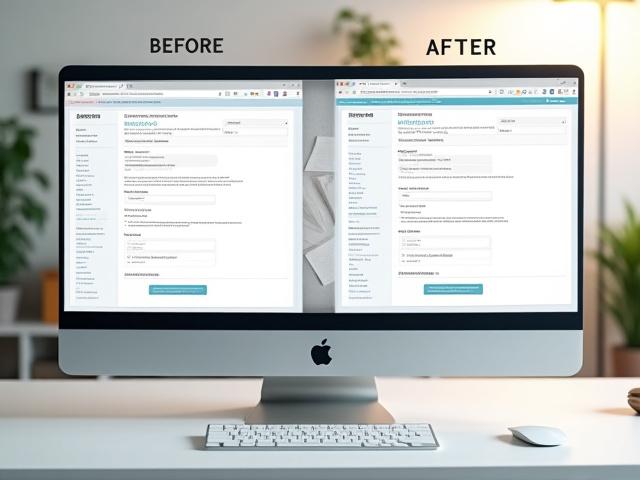
In your final project, you'll choose an existing website with identified accessibility issues and transform it. This hands-on experience provides practical training on ARIA labels, color contrast, keyboard navigation, and screen reader testing, moving beyond mere compliance to true inclusive design thinking.
Step 1: Conduct a Comprehensive Audit
Perform a full accessibility audit using both automated tools and manual testing techniques, identifying key barriers to access.
Step 2: Detail Issues and Solutions
Create a professional report outlining all identified issues and proposing well-researched, actionable fixes.
Step 3: Redesign and Present
Redesign key screens of the website to be fully accessible, then present your improved solution and its impact.